
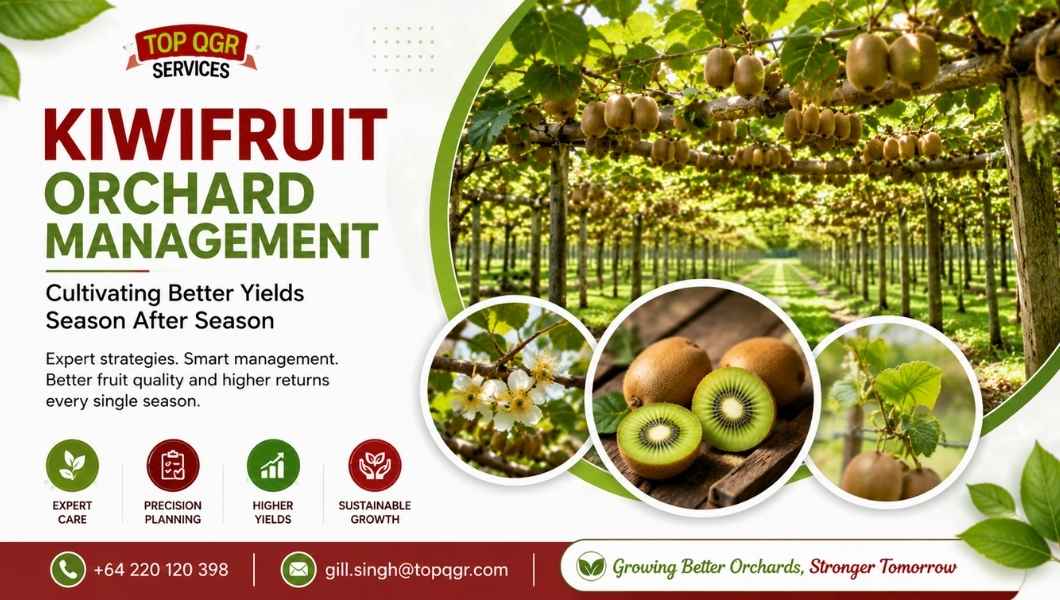
Kiwifruit Orchard Management, Cultivating Better Yields Season After Season
- August 3, 2026
Running a successful kiwifruit orchard is not just about planting the vines and then waiting for harvest time. There’s a lot going on in the background, like soil wellness, vine training, pest control , and the whole question of timing. All of that stuff, together decides if an orchard ends up giving you a solid crop or sort of under performs. For growers all over the country, getting kiwifruit orchard management right has become one of the biggest things that separates a truly thriving setup from something that feels like it’s always struggling year after year.
Why Kiwifruit Orchard Management Deserves Careful Attention
Kiwifruit vines are kind of demanding really, they need consistent pruning, careful canopy management, and close watching of pollination timing. If you don’t keep an eye on that, fruit can end up with the wrong size or quality , and export standards wont be happy. Even worse, weak kiwifruit orchard management can slowly wear down yields across seasons, sometimes so gradually that a grower won’t clock the problem until later. That is why many orchard owners are now leaning toward more organised, data informed methods rather than just doing what was passed along through the years. The basics, if you get them right early, usually show up by harvest time in a pretty noticeable way.
The Bigger Picture for New Zealand Kiwifruit Growers
New Zealand kiwifruit growers are operating in a competitive export market, and keeping consistent quality across an entire region is not a simple task. Weather can swing, soil conditions change, and vine diseases are always lurking in the background. So New Zealand kiwifruit growers have to stay flexible season to season. One block might respond well to a plan, while another block just a few kilometres away might refuse to cooperate, which is part of why so many growers are chasing more personalised guidance instead of vague general advice. Honestly, the global reputation of New Zealand kiwifruit growers depends a lot on attention to detail at the orchard level, even when it feels small.
Key Considerations Growers Should Keep in Mind
There are a few areas that usually make the biggest difference for keeping an orchard healthy and productive, such as:
- Ongoing monitoring of vine health and canopy density, across the full growing season
- Careful focus on pollination timing because it impacts fruit size directly
- Getting ahead of pest and disease management rather than reacting after problems appear
- Soil testing to work out nutrient needs that fit each orchard block
- Keeping clear records, so patterns show up over multiple seasons, not just one
Growers who fold these steps into their routine tend to get steadier outcomes, even when the conditions wobble from year to year.
How Top Ogr Supports Growers Through Every Season
This is where Top Ogr shows up as a trusted name for many local orchard owners. Instead of just handing out a one size fits all solution, the Top Ogr team works closely with individual growers to understand what’s really happening in their blocks. That includes soil composition, canopy structure, and the little on site details that change everything. This hands on way of approaching kiwifruit orchard management has helped a lot of growers spot problems early, well before they start reducing yield. Top Ogr’s reputation has grown mostly through word of mouth among New Zealand kiwifruit growers, because practical guidance on the ground often beats generic recommendations that don’t match a specific site.
A Grower’s Experience Worth Sharing
One grower out of the Bay of Plenty had been noticing declining fruit size across two back to back seasons, but they couldn’t quite figure out why. After partnering with Top Ogr for a full orchard review, it turned out that uneven pollination timing across certain blocks was the main culprit. Once adjustments were made to their management approach, the next season brought a clearer improvement in fruit consistency. It’s a simple example, but it shows how much the right diagnosis and tailored kiwifruit orchard management can change things when the expertise is actually relevant.
Conclusion
As international demand for high quality kiwifruit keeps moving upward, orchards will feel even more pressure to hold consistent standards. Growers who spend time understanding what’s going on in their orchards, instead of guessing, tend to be in a stronger position for long term success. Whether that means improving soil health, or refining pruning techniques, the smaller consistent improvements often stack up into a much stronger harvest over time.
Frequently Asked Questions
How often should orchard health be reviewed during the growing season?
Regular monitoring throughout the season, not just one check before harvest, usually catches issues while they’re still fixable.
What role does soil testing play in kiwifruit orchard management?
Soil testing helps identify specific nutrient gaps, which means growers can use targeted fertilisation rather than generic feeding.
Does Top Ogr work with growers across different regions of New Zealand?
Yes, the team works with orchards across multiple growing regions, and advice is tailored to each property’s soil , climate conditions and local realities.
Recent Posts
October 7, 2026

October 4, 2026
October 4, 2026
September 30, 2026
September 29, 2026
September 25, 2026